IDScan Data Breach Compromises Millions of Driver Licenses in Massive Cloud Security Failure

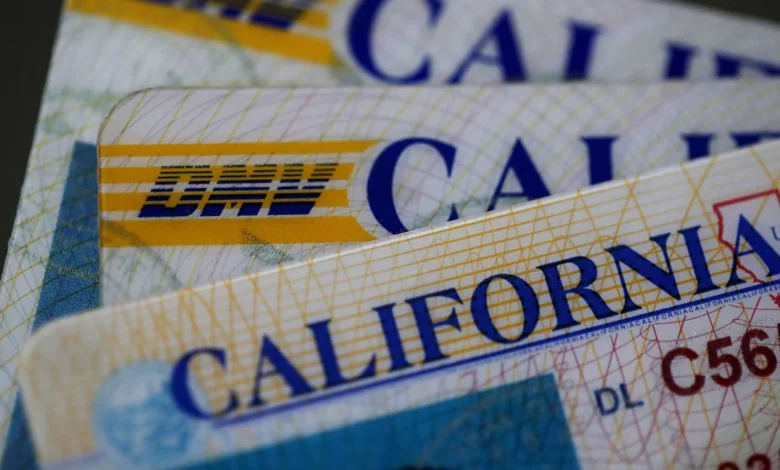
The digital infrastructure underpinning identity verification in North America has suffered a catastrophic security failure. Louisiana-based ID verification service IDScan has officially confirmed that a major data breach resulted in the theft of millions of driver’s licenses and other sensitive government-issued identification documents from its cloud storage systems. This official admission arrives exactly one week after independent cybersecurity investigations first exposed a year-long unauthorized intrusion into the company’s network, laying bare vulnerabilities that threaten the privacy of citizens across the United States and Canada.
The compromised database includes highly sensitive personal identifiable information (PII). According to IDScan’s official security notice, hackers successfully exfiltrated full legal names, driver’s license numbers, and identity numbers from alternative government-issued documentation, including passports. While the company has withheld an exact tally of the impacted individuals in its public statements, public-facing company data indicates that the firm retains more than 150 million driver’s license records within its ecosystem. The sheer scale of this leak positions it as one of the most significant identity-document breaches in recent corporate history.
The Anatomy of the Breach and Initial Discovery
The incident came to light through a combination of independent investigative journalism and dark web surveillance. On September 1, 2026, renowned cybersecurity journalist Brian Krebs published a report detailing a newly discovered dark web portal. This malicious website allegedly allowed users to search through the driver’s license information of more than 150 million individuals across the U.S. and Canada, complete with associated photographs.
To confirm the legitimacy of the database, Krebs independently verified his own personal records against the leaked cache. Furthermore, the dataset reportedly contained records belonging to high-profile public figures, including U.S. Secretary of Defense Pete Hegseth, alongside security researchers who similarly validated their compromised details.
On the very same day Krebs published his findings—September 1—IDScan acknowledged that it had "received information" regarding a potential security claim. Initially, the company maintained a cautious stance, stating only that it was investigating an unspecified security incident without confirming an active network intrusion. It took a full week of internal reviews and mounting public pressure for the identity verification provider to formally concede that hackers had siphoned data directly from its cloud environment.
Corporate Profile and Far-Reaching Client Base
To understand the profound scope of this security lapse, one must examine IDScan’s operational footprint. Headquartered in Louisiana, the firm provides automated identity document verification services to a wide array of corporate and institutional clients. Its software and hardware tools are routinely deployed across diverse industries, ranging from entertainment venues and hospitality businesses to heavily regulated entities such as cannabis dispensaries and financial services.
These corporate customers rely on IDScan to authenticate customer ages, verify identity documents in real time, and comply with state and federal regulations regarding age-restricted or identity-verified transactions. Because businesses across North America routinely scan and store identification documents using platforms like IDScan, the breach effectively transforms a corporate cybersecurity failure into a massive consumer privacy crisis. Millions of citizens who handed over their driver’s licenses simply to enter a venue or complete a legal purchase now find their foundational identity documents exposed to malicious actors.
Chronology of Events
The unfolding crisis follows a distinct timeline that highlights the delays inherent in modern corporate breach disclosures:
- Late 2025 to Mid-2026: According to initial threat intelligence reports, unauthorized actors maintained persistent access to IDScan’s network infrastructure over a prolonged period, executing a stealthy, year-long data harvesting operation.
- September 1, 2026: Cybersecurity journalist Brian Krebs publishes an investigative report exposing a dark web search engine containing over 150 million compromised North American driver’s licenses. IDScan publicly states it has received information regarding a potential security claim and launches an internal investigation.
- Early September 2026: Government agencies, including the Department of Defense and the Federal Bureau of Investigation (FBI), acknowledge awareness of the situation and begin preliminary inquiries into the scope and origin of the breach.
- September 10, 2026: IDScan updates its corporate website with a formal notification confirming that hackers successfully stole driver’s licenses and government identification numbers from its cloud storage repositories.
Official Responses and Regulatory Scrutiny
Federal law enforcement and defense agencies have quickly mobilized in response to the disclosures. The Pentagon confirmed to media outlets that it was actively monitoring the suspected breach, a step made necessary by the inclusion of high-ranking military officials—such as Defense Secretary Pete Hegseth—among the compromised records.
Concurrently, a spokesperson for the Federal Bureau of Investigation confirmed that the agency has opened an investigation into the incident. The involvement of federal law enforcement underscores the national security implications of widespread identity theft, particularly when databases house the credentials of government and military personnel.
Despite mounting inquiries from journalists and regulatory bodies, IDScan has maintained a selective communication strategy. The company’s public notice mentioned that "full access to the information required payment"—a clear indicator that the perpetrators likely demanded a monetary ransom in exchange for withholding or deleting the stolen data cache. However, IDScan has declined to comment directly on whether extortionists formally contacted corporate executives with ransom demands, nor has the firm clarified whether any payments were made.
Broader Implications and Cybersecurity Analysis
The IDScan breach serves as a stark reminder of the inherent vulnerabilities associated with centralized cloud storage of sensitive biometric and personal data. In the modern digital economy, third-party vendors often act as invisible gatekeepers, collecting vast oceans of citizen data on behalf of consumer-facing businesses. When these vendors fail to secure their cloud perimeters, the fallout bypasses the immediate corporate client and directly victimizes everyday citizens.
From an analytical standpoint, the implications of a 150-million-record driver’s license leak are severe and long-lasting. Unlike credit cards or passwords—which can be easily cancelled, reset, or replaced—government-issued identification numbers and driver’s license details are essentially permanent. Once compromised, these credentials can be weaponized by cybercriminals to facilitate sophisticated financial fraud, synthetic identity creation, targeted phishing campaigns, and account takeovers across banking, healthcare, and government portals.
Furthermore, the incident raises pressing questions regarding regulatory compliance, cloud architecture security, and mandatory disclosure timelines. As identity verification services continue to process billions of transactions annually, cybersecurity experts argue that stricter federal oversight, continuous threat-hunting protocols, and mandatory encryption standards must be enforced across the vendor ecosystem.
As IDScan’s investigation remains ongoing, affected individuals face the daunting prospect of monitoring their credit reports, securing their digital accounts, and navigating the long-term fallout of a systemic data exposure that extends far beyond the company’s Louisiana headquarters.
Related posts: